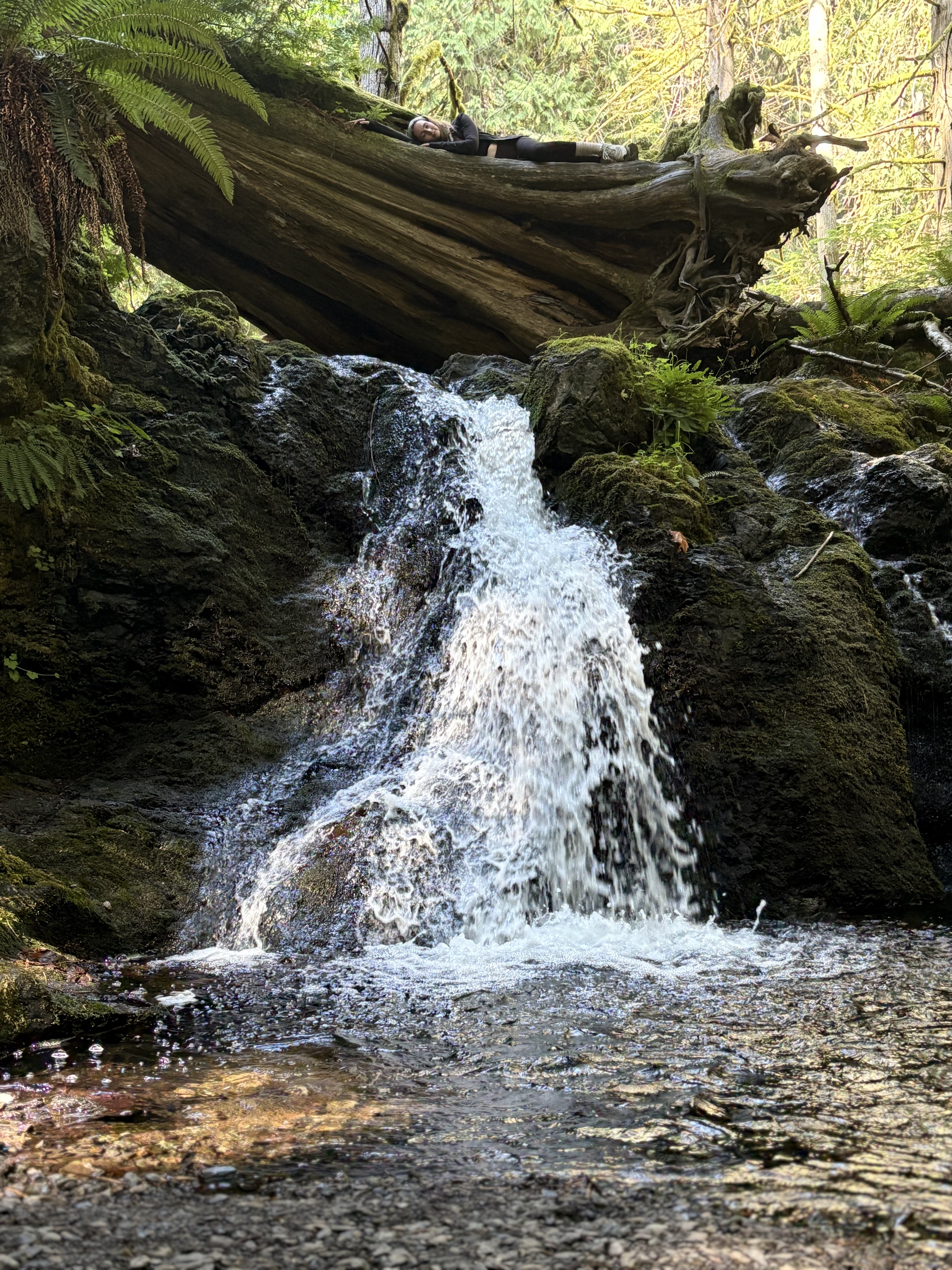
Movement is medicine
Why dance heals
the body
The instinct to move when we feel is older than language — and modern science is quietly catching up to what the body has always known. Here is a little of what happens, inside, when we dance.
Your body is built to move — and to heal by moving
None of what follows is a promise or a prescription. It's an honest sketch of what research in dance and movement therapy, neuroscience, and somatic psychology keeps finding: that expressive, rhythmic movement touches the nervous system, the brain, and our sense of belonging in ways words alone rarely reach. Take what's useful, and leave the rest on the floor.
Movement tells the body it is safe
So much of modern life keeps us subtly braced — a low hum of fight-or-flight that never quite switches off. Breath-led, rhythmic movement is one of the body's most direct routes back to calm. In the language of polyvagal theory, it helps tone the vagus nerve and shift us out of alarm and into rest-and-digest: the heart softens, breath deepens, digestion and repair resume.
And we rarely regulate alone. When people move together — breath, rhythm and gaze in sync — the nervous system borrows steadiness from the room. Researchers call it co-regulation: safety we lend one another simply by moving side by side.
Learning to move rewires the brain
The brain keeps reshaping itself around what we ask of it — a lifelong capacity called neuroplasticity. Dance is an unusually rich request: following music, remembering a sequence, sensing where you are in space and feeling something, all at once. Neuroscience research points to dance engaging motor, sensory, emotional and memory systems together, laying down new pathways as we practice.
That's part of why movement shows such promise in studies of healthy aging and conditions like Parkinson's — not as a cure, but as a way to keep the brain and body in lively conversation.
Dancing gives stress somewhere to go
Stress isn't only a feeling; it's a chemistry, with cortisol at its center. Research on dance and music therapy repeatedly associates rhythmic, expressive movement with lower stress and lifted mood — the familiar sense of feeling lighter after you've truly moved. Part of it is physical release; part is the play, music and connection that come bundled with dancing.
You don't have to dance well, or even gracefully. Letting the body shake, sway and take up space is often enough to change how a hard day sits in you.
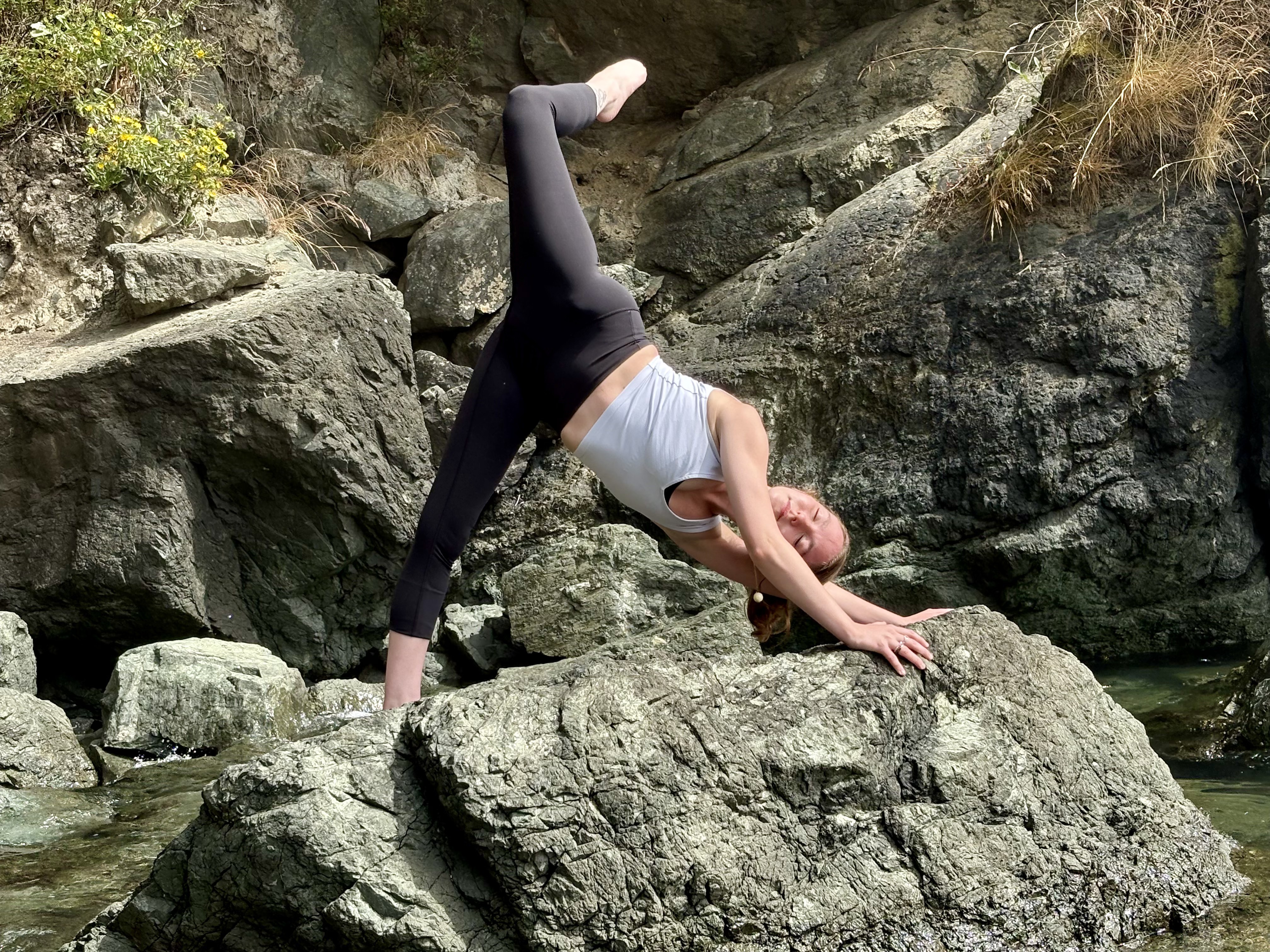
Balance is a conversation
The body listens to the ground, and answers.
Dance keeps the body sure of itself
Proprioception is the body's quiet sixth sense — knowing where your limbs are without looking. Dance trains it constantly: shifting weight, spiraling, catching and steadying. Research on movement and balance, especially in older adults, links regular dancing with steadier gait, better coordination and greater confidence on your feet.
That confidence matters far beyond the dance floor. Feeling stable in your body tends to make people more willing to move, explore and stay active — a gentle upward spiral for a whole life.
What words can't reach, movement sometimes can
A recurring theme in trauma and somatic psychology is that stress and old hurt don't only live in our thoughts — they settle into the tissues, the breath, the way we hold ourselves. Because that history is held in the body, the body can also be part of how it releases. Conscious, supported movement gives what's been braced-against somewhere to go: a shake, an exhale, a softening, a sense of completing a motion that once got stuck.
This is tender territory, and it's not a replacement for care from a qualified therapist. But approached slowly and with consent, movement can be a gentle doorway back into a body that once felt unsafe to inhabit.
We are wired to move together
For as long as there have been people, there have been circles, drums and dances. Research on social bonding suggests that moving in sync with others fosters trust and connection, associated with oxytocin, the chemistry of closeness and belonging. Loneliness eases; we feel part of something larger than ourselves.
This may be the oldest medicine of all — not a technique, but a room full of people breathing and moving as one, remembering they are not alone.
Fields to keep exploring
Everything above is drawn in broad strokes from living fields of research and practice, not from any single study. If your curiosity is stirred, these are good threads to follow — with a qualified teacher, therapist, or the primary literature.
Embodied Alchemy is movement education and creative practice — warm, but not medical advice. For diagnosis or treatment, please reach out to a licensed professional.
You can read about it — or you can come feel it
The science is beautiful, but your own body is the real evidence. Come move, and let it show you what it already knows.